

Key Takeaways
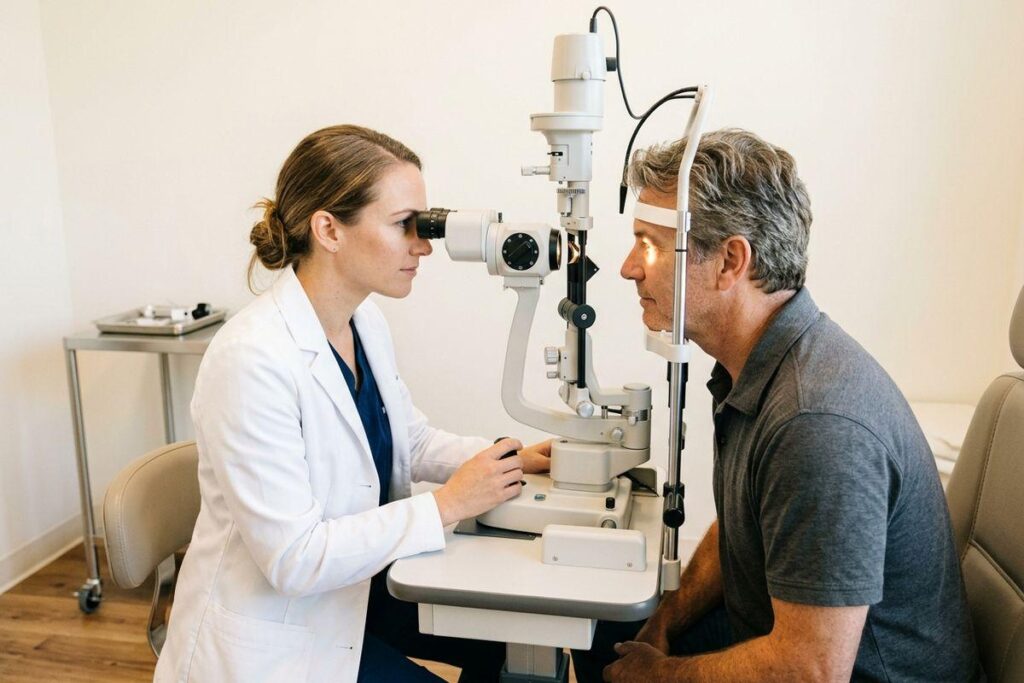
- Your eyes give your optometrist a direct view of both blood vessels and nerves.
- Signs of conditions like diabetes, high blood pressure, and stroke can appear in the eyes before you experience other symptoms.
- Droopy eyelids and pupil changes can signal aneurysms or tumors, while sudden vision loss can indicate a stroke.
- Adults should start comprehensive exams by age 40, with children and seniors benefiting from more frequent visits.
Your Eyes Reveal More Than You Think
You probably schedule an eye exam when your vision feels off or your glasses prescription seems outdated. However, your eyes are doing a lot more than just helping you read street signs and screens. Regular eye exams with our team at Total Vision Rancho Bernardo are also important for monitoring and maintaining your general health.
In fact, your eyes are one of the few places in your body where doctors can look directly at your blood vessels and nerves. This means that your eyes can show signs of serious health conditions long before you feel like anything is wrong.
Eye Changes That Point to Bigger Health Issues
Yellowing, Rings, & Bulging Eyes
If the whites of your eyes take on a yellow tone, this can be a sign that your liver or gallbladder isn’t functioning properly. This warrants an immediate visit to your doctor.
A gray or white ring forming around the edge of your cornea can indicate high cholesterol. And if your eyes appear to bulge or push forward, that physical change is often connected to thyroid conditions like Graves’ disease, where the tissue behind the eye becomes inflamed.
Droopy Eyelids & Pupil Changes
A drooping eyelid on one or both sides can point to nerve or muscle problem. When one pupil looks noticeably larger than the other, that difference in size can sometimes signal a serious condition, like a nearby aneurysm or a tumor pressing against the nerves.
These are changes worth catching early.
What Blurry Vision & Sudden Vision Changes Can Signal
Blurred Vision & Diabetes
When your blood sugar stays elevated for too long, the tiny blood vessels in your retina may start to leak. That damage, called diabetic retinopathy, is often one of the earliest physical signs of diabetes, and it can show up in the eye before a person even knows that their blood sugar is a problem.
Blurry vision, difficulty seeing in low light, and vision that seems to shift throughout the day can all be connected to blood sugar fluctuations. A retinal exam can help spot those early changes.
Sudden Vision Loss & Stroke Risk
Sudden vision loss is a signal that blood may not be reaching the eyes or brain as well as it should. This kind of interruption can be a warning sign of stroke, so it requires prompt attention.
Sudden onset of double vision or tunnel vision also may require emergency attention.
Conditions a Comprehensive Eye Exam Can Detect
Heart Disease & High Blood Pressure
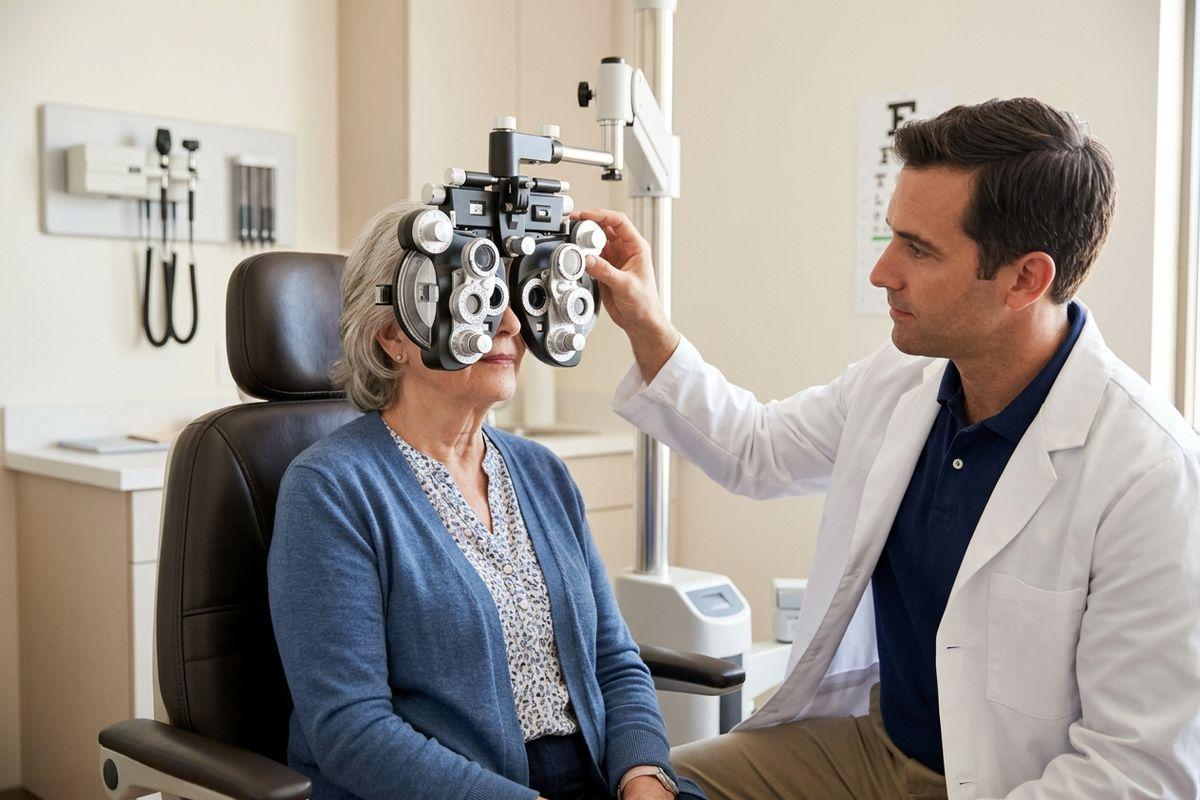
The back of your retina is the only place in your body where your blood vessels are visible to the eye. Unusual bends, narrowing, or small bleeding spots in retinal blood vessels can all suggest that you may have high blood pressure.
Autoimmune & Neurological Conditions
Inflammation of the optic nerve can be an early indicator of multiple sclerosis. Persistent dry eyes, redness, and swelling inside the eye can also be signs of autoimmune conditions like lupus and rheumatoid arthritis. Our team at Total Vision Rancho Bernardo offers eye disease diagnosis and management to help monitor and address these kinds of issues.
How Often Should You Get a Comprehensive Eye Exam?
For most adults, starting comprehensive eye exams around age 40 is a reasonable baseline. That’s when many early changes begin to appear.
Children benefit from regular screenings, as they often don’t have the experience to realize that something’s wrong with their vision. Seniors often need more frequent visits, as the risk for conditions like glaucoma and macular degeneration tend to increase with age.
The American Optometric Association recommends annual eye exams for children and seniors and exams every 1–2 years for most adults. However, if you have diabetes, a family history of eye disease, or high blood pressure, you may need more frequent eye exams.
Why Seeing an Eye Doctor in San Diego Matters for Your Whole Health
A thorough eye exam is one of the more practical steps you can take for your overall health.
At Total Vision Rancho Bernardo, our team provides comprehensive eye care for every member of your family. If it’s been a while since your last eye exam, or if you’ve noticed changes in your vision, reach out to our team and book an appointment.
